Author: domgk115 115

  • A long week… but at least i got to look at maps

    A long week… but at least i got to look at maps

    Another week goes by, and I’m beginning to realize that I’m in for quite the ride this semester. I have much more work then I originally thought, and having the extra Economics class I didn’t think I’d have is certainly starting to take its toll as I sit here and write this. Next semester, however, I have an internship to look forward too, along with only one class actually in person, and finally my trip to Japan. So, as I keep drudging along, I’ll do what I can to keep my spirits high… and getting to see and make more maps certainly does that. This last week, I led a discussion about maps, and then made another map, I continue to LOVE maps.
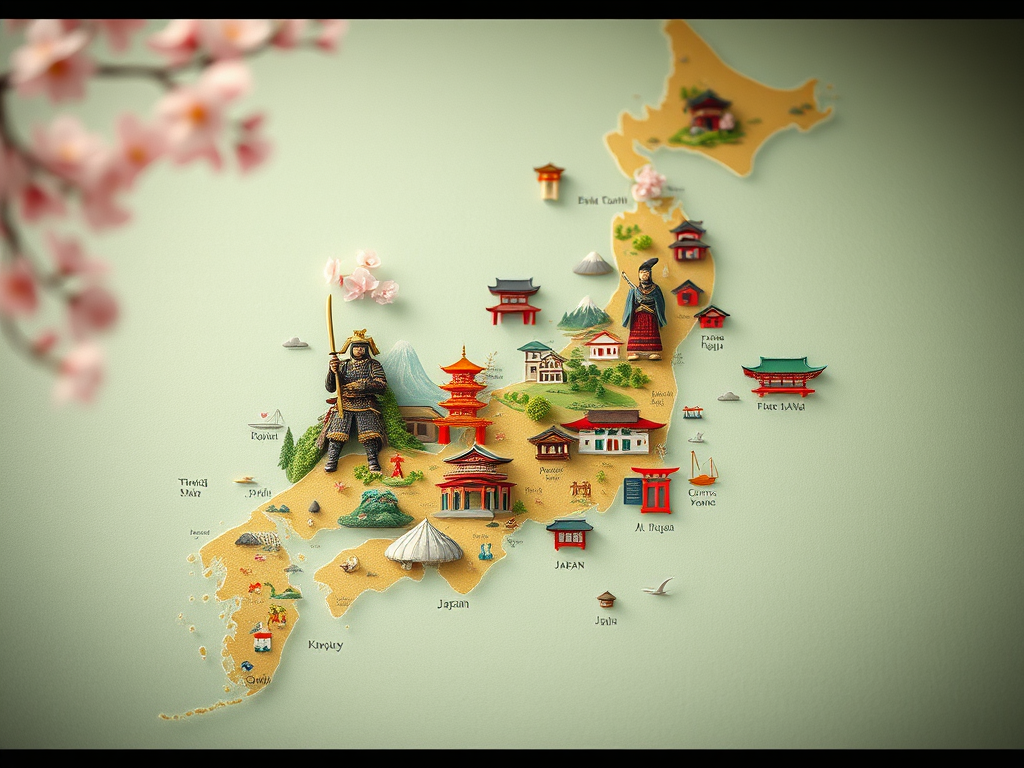
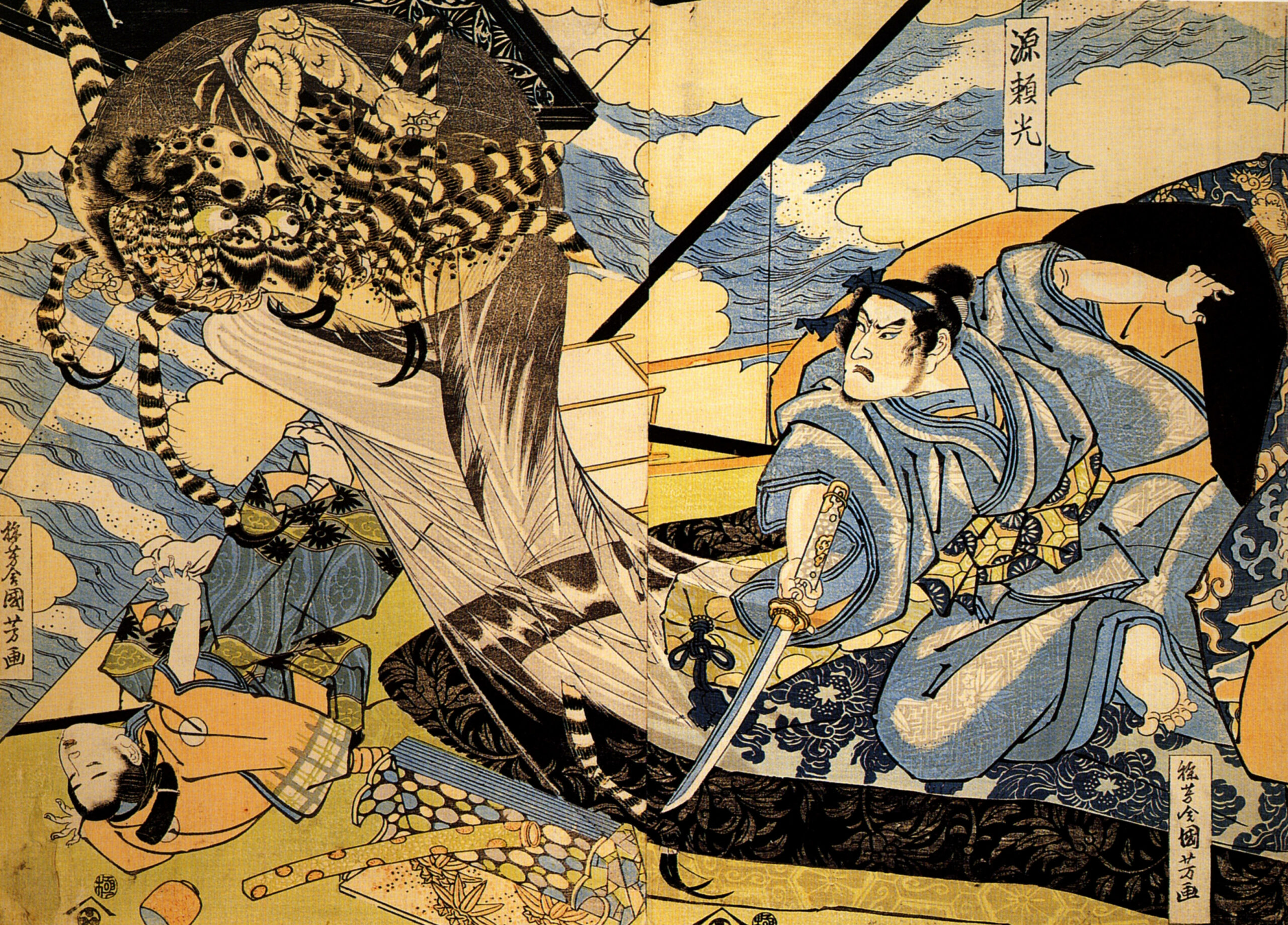
    Now, this week I got to go back to Story Maps, which I absolutely loved last year. I unfortunately didn’t exactly have the time to make one as detailed as I did last year, but I did make one that I hope to expand on, and even write a paper about one day. ‘The Avengers of Ancient Japan: The Minamoto’, is a paper idea I’ve had in my mind since I first started studying Japan. A very long and expansive story short, the Minamoto were a clan active in Japan during the Heian Era (approx. 700-1195 C.E.). There are dozens upon dozens of famous samurai warriors who come from the Minamoto Clan that up until this day are talked about and studied, and used as characters in popular media like TV, movies, anime and manga. They are the ‘Avengers’ of Ancient Japan, with stories of them slaying demons, performing supernatural feats among other things prevalent. I’m an avid consumer of plenty of Minamoto based media, and their wide reach even in the current day always fascinated me. This is where Story Maps also helped, it helps show that these samurai were EVERYWHERE in Japan, from the north to the south to the islands around Japan, a Story Map helps show their far reach. I also want to one day write a paper to accompany something like this, but that is far in the future when I have the time to research.

    Now, these kinds of Story Maps of course could have many more purposes then just to fulfill my curiosity about ancient samurai. Maps like this could tell the story of the migrations of people, of important wars. That is the versatility of maps. Sometimes, we just use them to help keep track of where we are. I’m guilty of this many times, whenever I read even a fantasy book, if there is a map in the beginning, I always find myself going back to it to make sure I can see how the story takes place. This style of map has the potential to tell even more stories, and I find myself getting excitedly giddy each time an article or book that I read has a map that I can follow. That is what I believe will always be my favorite things about maps, their versatility. Whether you’re someone like me who just wants to see where ancient samurai fought and did great deeds, or someone trying to map the history of the Trail of Tears, you can use maps as a tool to succeed in that.

  • I love Maps! & “You’re leading a discussion…”

    I love Maps! & “You’re leading a discussion…”

    “You’re leading next weeks discussion”, yes, the words that instill fear in the hearts of many introverted college students. I’m an enigma, however, as I’m both an introvert, but I love leading discussions. So long as I can link whatever it is I’m leading a discussion on back to things I enjoy talking about, which thankfully with Digital Humanities being such a broad subject, I can do often. However, I still have nightmares about my first time ever being a presentation during my first MA class, where I led an absolutely riveting discussion about early colonial and Native American maize farming, in Dr. Lindman’s class. I to this day still know way more about maize then I’ll ever need to know in my life, but thankfully this reading was far more interesting then one about growing vegetables. I’ve spent the last few days combing over the readings, and much more importantly, I’ve been honing a hidden passion, and that’s MAPS!

    This week will be the first time this semester I’m leading a discussion, and possibly could be one of the last. My class plan next semester only includes one or two classes to finish my minors, and an MA class which will most likely be a Digital Humanities Internship. So, this could very well be the last discussion I lead for a while, and luckily enough there was plenty to discuss in terms of the readings content. The twenty page reading went in detail about the struggle of post-colonization digital history, and rectifying some of the ways that through the years imperialism, colonization and neocolonialism has damaged the reputation and online archives of some of these cultures. The biggest example used was right in the US backdoor on our own territory in Puerto Rico. Now, the fact Puerto Rico, the District of Columbia, America Samoa etc, these ‘territories’ are US citizens dictated by US law but don’t have representation in government is ridiculous, but that’s a point for another class.

    Now, one part of the readings I’m looking forward to discussing was a point made about how the internet has fostered the development of online communities, and thanks to how connected we are in the modern day many more people can learn about different cultural heritages. I used an example from my own experience as I normally do. I count myself in the community of people extremely interested in Japanese culture, and in my time researching I’ve come to realize the double edged sword these kinds of communities can be. On one end, you foster a better understanding and the cultural practices can spread, on the other hand you have people who don’t do proper research and can spread harmful misinformation about certain cultures. This is especially true in my own experience for some people taking the culture of Japan extremely out of context. There is much more to Japan then just Samurai and Ninja! Samurai and Ninja are awesome but there’s so much more to Japan then that, if what I’ve seen for Japan is even worse for countries that perhaps aren’t as far along technologically as Japan, then it truly is our duty in Digital Humanities to help bring these cultural heritages into the spotlight in the correct way.

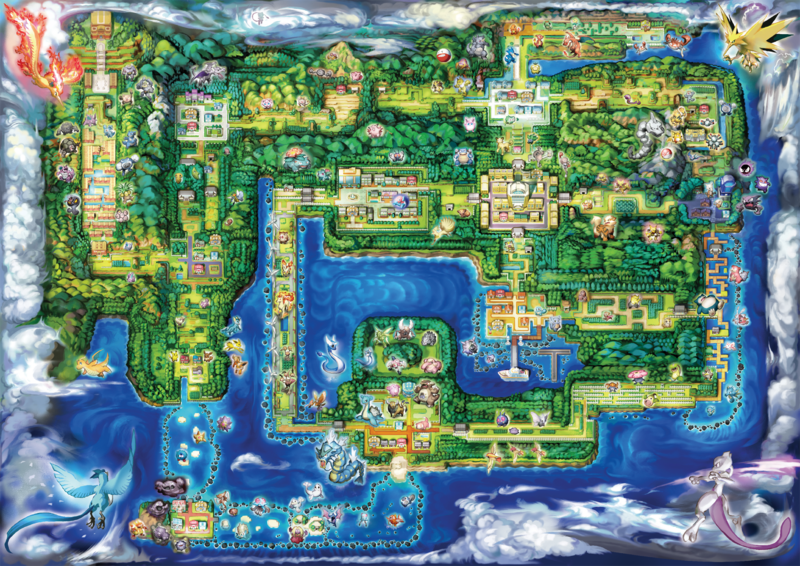
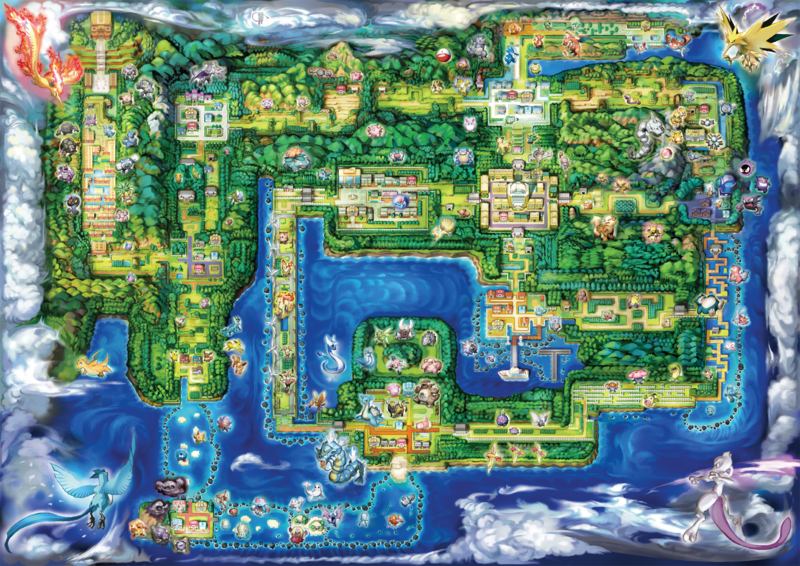
    Now, in addition to the reading discussion this week, I also got put in charge of showing everyone how to use Knight Lab Story Maps which I have been very excited for all semester so far. It’s something that I did use last season in Digital History, and despite the assignment being only one day, I spent weeks making a Story Map about the battles of Oda Nobunaga the samurai warlord of the 16th century. Now, maps are something that I’ve been OBSESSED with since I was young, ever since the first time I booted up a Pokemon game and saw the giant sprawling map full of Pokemon to catch, there’s something that still gets me excited to this day about a big sprawling map.

    This love of maps, translated to middle school and high school. I was a kid who LOVED fantasy video games, there was nothing better then booting up a new game and seeing a massive world full of dungeons, cool looking weapons, and enemies for me to fight while roleplaying as a fantasy hero. And then, you can imagine how excited I got when I realized many of these fantasy games were based off real life cultural inspirations, like The Elder Scrolls V Skyrim being based off Norse mythology and legends.

    And after I started playing games like Assassin’s Creed, based entirely in famous historical time periods with BIG, AWESOME MAPS to explore and run around while meeting historical figures such as Leonardo Da Vinci and Sophocles? That was it, my love of maps and history were solidified. Now, whenever I read a history book, whether it’s Japan, Rome, Greece, Egypt, I always find the best map I can, when a map is already included in a book that’s even better. Now, combining timelines AND maps? I am completely obsessed with creating detailed maps which helps me either lead a Dungeons and Dragons campaign or write an academic paper. Drawing the lines, researching or creating the areas within, it makes me feel like a super awesome master computer master.

    Now, I will admit that in my undergrad classes, I was having a bit of a difficult time deciding what exactly it is I wanted to do. Initially I believe I wanted to be a teacher, however, while I don’t believe I’d be miserable or anything close to it teaching, it’s not exactly what I want to spend so many years of my life doing. Now, what I do love doing, is learning and talking to people about history and the things that I love, I could talk all day about Japan, mythology etc, and if there’s a way I can do that it would be fantastic. So, that’s the joy in learning how to make maps, record audio for podcasts, and learn how to properly present information in the right way to help people properly learn history and foster a love of it like what happened for me.

  • Digital Humanities WEek 2! The slog continues….

    Digital Humanities WEek 2! The slog continues….

    One of the biggest changes I’ve had to contend with this semester, is that this is the first time in three years I’ve had to commute to school. The last two years I’ve lived on campus at Rowan, but I decided to commute the half hour this year, which is definitely having a drastic effect on me. It’s taking some getting used too, and I know that I’m going to right the ship, however, at the moment I truly feel like I’m in the middle of a slog, however, that doesn’t stop blog posts from coming, or from me learning new interesting skills in my last semester as an undergrad….

    Omeka S was this weeks Digital Humanities skill, along with the ever interesting writings of Roy Rosenzweig and Lara Putnam. Now, coming into this week I did have a bit of an advantage in regards to the reading since I do believe I’ve read both of these articles before for last years Digital History class. Just like last year, both were utterly fascinating and made me think about things that I never did think about before. ‘Scarcity Or Abundance’, is a great title for Rosenzweig’s article, and just that alone makes one think about what is actually at our fingertips. The first part talks about the iconic ‘Bert is Evil’ meme, which he makes a great point in noting how in the future, how will people trying to study the past view things such as memes or other random internet trends? How is the digital present going to be preserved? It isn’t that we think of at all, but now I find myself wondering how my digital footprint could be studied a hundred years from now, and what technology will look like in that time. Will we be able to use implants like in Cyberpunk 2077 to view old memories and lives? I doubt it, but the idea is a fun one to think about.

    Omeka as well, was something that I never used and had never even heard of before this week came around. I will be the first to admit, that I was a bit confused early on in the tutorial video about what Omeka exactly was, is it just for creating databases or websites? However, thankfully as the I drank more coffee doing my homework late at night, and as the tutorial went on, I found myself seeing the multiple uses for it. It makes me think more about the future online projects I have ideas for, and how I can integrate it into my work.

    My main focus continuing forward in the coming weeks, is without a doubt going to be readjusting to a commuter student lifestyle. When I was staying at school it was much easier to stay productive and on task since I was physically at the university. However, since I’m constantly coming and going home now I find it harder to stay focused on just my school work. This is all part of the journey, however, and as I said at the end of my last post my favorite quote from my favorite fantasy series ever ‘The Stormlight Archive’, says ‘Journey Before Destination’. One of the best things about my last few years at school, is without a doubt the experience and skills I’ve learned in the process of getting my degree. Omeka S, WordPress, and the other digital skills coming up that I’ll learn is all part of the journey towards a degree, and the journey is as always I believe more important then the destination.

  • We’re back! Digital Humanities Seminar Week 1.

    We’re back! Digital Humanities Seminar Week 1.

    The school year at Rowan University seemed to come out of nowhere for me. It feels like just last week I was stressing over my capstone Senior Seminar paper which I still believe is the best paper that I’ve ever written. “A Monster of their Own Making: American and Western Influences on Japan’s Meiji Restoration”, was almost initially almost fifty pages, to which of course Dr. Hague said I needed to get it down to at least thirty since there was far too much extra information, so I painstakingly cut parts of my paper and was very satisfied with what my grade was. However, the process took all semester, and it feels like it was only a few days ago I was stressing over it. It was just as I finally felt the weight of that, plus four other papers last semester off my shoulders, that the Fall Semester hit me like a brick. I am not afraid to admit I was completely and utterly unprepared coming into week 1 to the point I was pretty cranky and frustrated.

    As usual, however, the moment I stepped back into classes things got easier. I worked a total of three jobs over the summer to save money for a spring study abroad trip, the shift from constant work for my jobs to school work has been quite tough, but luckily this is my fifth year of college. “You’ve done this plenty of times before, this is just another first day’ is what I told myself, and between taking a few deep breaths, meditating, reading a few good books, budgeting my time and getting settled, I’ve finally after two weeks gotten on track. Two of my five classes are online, and after this spring I’ll finally walk to graduate with my Bachelors, and be halfway through my MA program, this is in addition to being excited for my exciting Study Abroad trip to Japan this summer. Now after a week, I finally feel ready to take on this semester which should be my last ‘difficult’ one.

    Another of the things that worked to get me back on track and excited for the semester, was learning that now, I can get a Digital Humanities COG, and I’ll finally get a chance to learn how to create some of the digital projects I’ve always dreamed of. I used to always say, that in the future if I could simply talk about things I’m passionate about like history, fiction and fantasy books, anime and manga, Japanese culture etc, then I’ll take it. However, I have gravitated much more towards history as the years went on, to where in addition to some traditional jobs, I’ve always wanted to try and make my own passion for history into a career I can be happy about, and that could be achieved through Digital Projects, and learning more about DH in this seminar and COG program. Dr. Hague my amazing Professor for Seminar last semester said that I ‘taught him more about Japan then he ever knew’ through my paper, and I hope to do what more with other people. This class will help me.

    To me, this is what Digital Humanities is all about. How we can improve our ability to teach history through the amazing digital technology we have now. I feel extremely lucky that so much amazing information is right at my fingertips, and how we can improve our ability to use it to teach others is something I am extremely fascinated in. I know that we can use digital projects and tech to foster a love of history like it was fostered in me, whether that is from academic podcasts or the latest Assassins Creed game, it doesn’t matter, that person now loves history because of it. It happened to me, and I know it can happen to other people. This is why I find Digital Humanities to be such an important field to study, and while every blog post is going to have a different definition of Digital Humanities, I feel my own can stand true for most of them. That being, Digital History is about how we can better use digital tools to teach and foster a love of history in people who previously may not have been able to have it happen to them.

    If this class goes well, perhaps I’ll eventually pay for WordPress Pro in order to make this blog a true history blog. However, for now, this introductory post will have to do. I am finally getting excited for this upcoming semester, however, I’m also excited to finally, FINALLY get my undergrad degree this spring to truly, truly be an MA student and start my career. A new year means a new journey, and as the catchphrase of my favorite fantasy series The Stormlight Archive goes, ‘Journey Before Destination.’

  • blog post 12

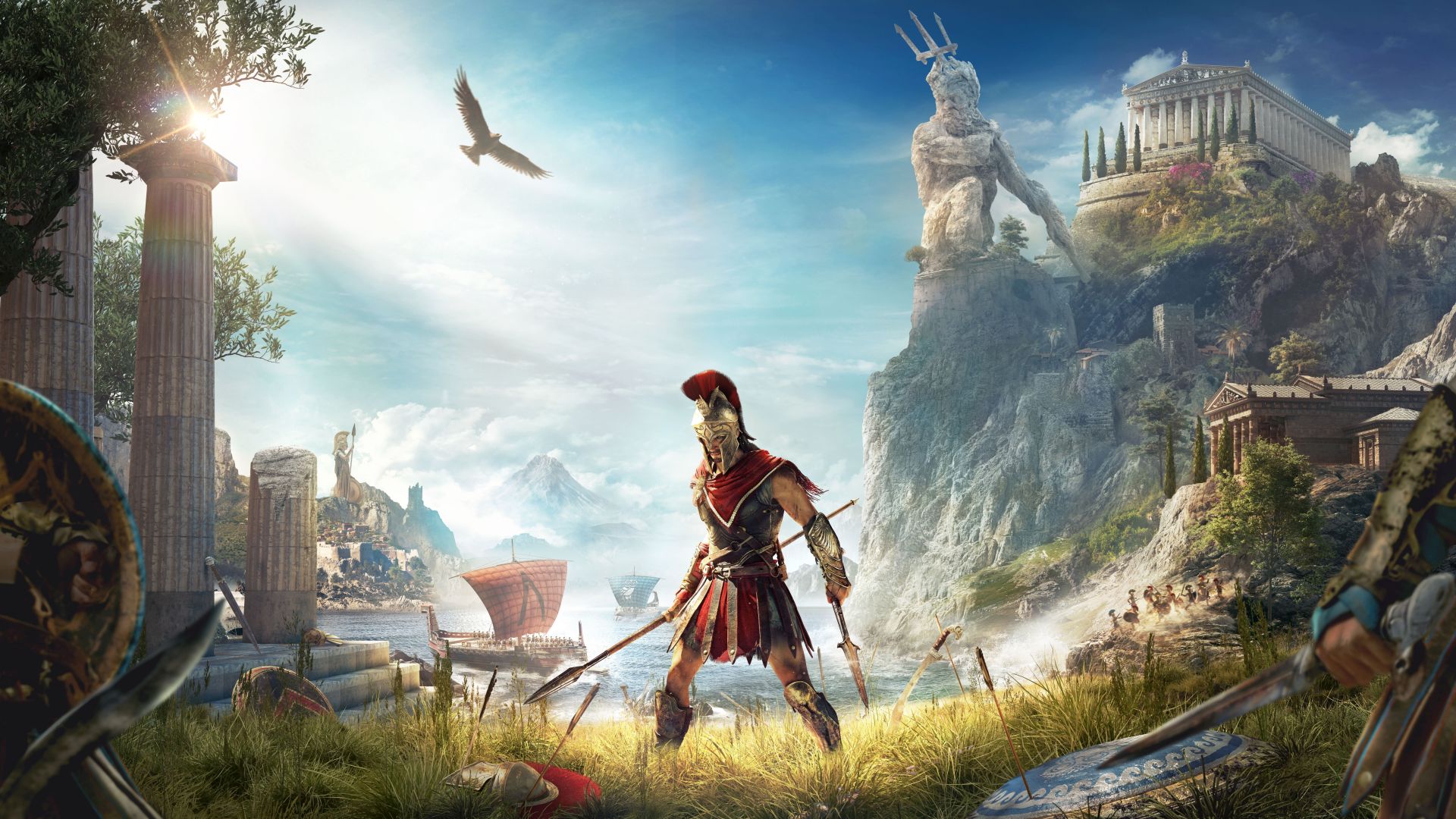
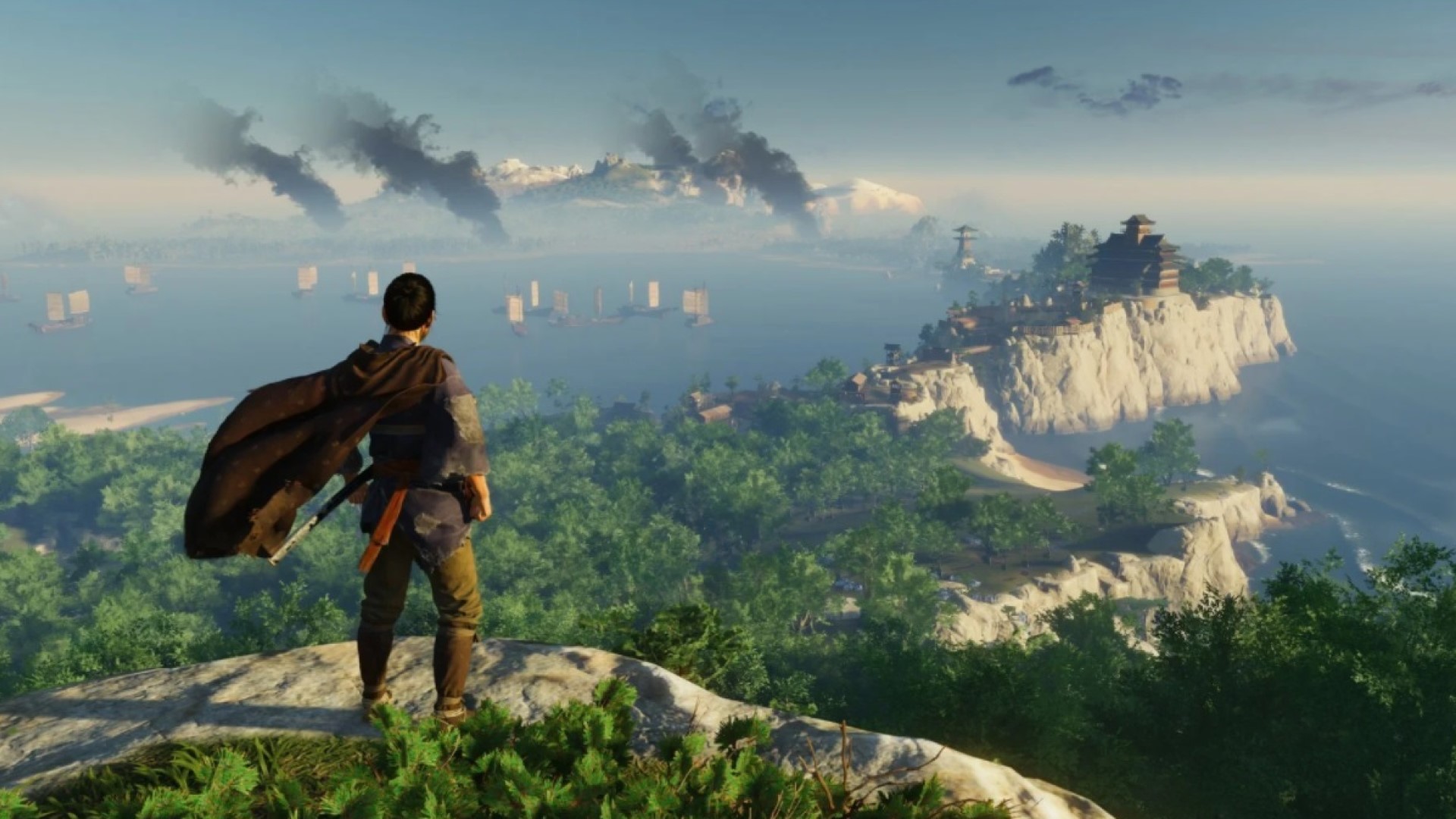
    The last week as we’ve discussed the use of things like video games, 3D models, VR tech to teach history, I’ve thought more about how I grew to love history myself. As a bit rude as it is to say, I didn’t come to love history because of any middle or high school history teacher. No, the reason I became so interested in history was because of historical fiction, books like Percy Jackson played a big part, but playing old WW2 Call of Duty games, Assassin’s Creed, and other fantasy games which had historical influence. Assassin’s Creed games like AC Odyssey which takes place in and recreate Ancient Greece was one in particular that really grew my love for the history of the region. This grew, and up to recently when the game Ghosts of Tsushima, which recreates the Mongol invasion of Tsushima Island Japan, are the reason I’m in the history program now. So, from my own experience I know for a fact that technology like this has a place in peoples education and can really be useful for learning. The biggest thing that games or virtual models do, is bring fun into the picture. The reason I love history is so much, is because I associate those history topics with fun, with joy and it makes me want to learn more about them and think of how much fun I had when I played those games. 3D models and virtual recreations can also be great tools in the classroom itself for helping teachers get students immersed in the subjects they’re learning about. Now, it should never replace full instruction or be used solely as the one learning tool. It needs to be properly implemented with teacher instruction so that they can make sure kids are paying attention and not treating the model or history like some kind of game. Some kids are simply not going to be interested in history, there’s nothing we can do about that, but it’s still important for them to be able to learn the content. High School age students are inherently going to have short attention spans, so that is where the teacher becomes important, in trying to use the different tools like video games, virtual models in a way that is engaging but also educational. Being able to associate history with fun will foster a love of it among younger kids. As was the case with me as a child, I believe the real love of history isn’t developed in the classroom, it’s developed when a kid wants to go and further research a topic on their own, like me with Japan after I played Ghosts of Tsushima, these new technologies can really only be used to hopefully, give kids the information they need to know, and hopefully this helps foster their own desire to learn more. It’s your own research that’s going to be what really focuses a kid on what they want to do in the future, even more so then what they learn in school, is what they decide to research in their own time.

  • Blog POst week 11

    My Story Maps project over the last week, was possibly my favorite project I’ve done so far at Rowan, in any class that I’ve taken. My favorite part of the world to learn about, is East Asia, Japan in particular, it’s my favorite history subject, but unfortunately there’s no classes in that particular subject offered at Rowan in the history department. So, I’ve had to do most of my research myself on the area, all the information I put into my Story Maps project is from the knowledge I’ve loved gathering over the years. From the Yayoi Period, to the Meiji Restoration, I’ve grown this amazing passion for the countries history for years and getting to finally do a project for it was absolutely enthralling, and after a 5 hour editing session I finally finished a four slide presentation on one of my favorite figures from Japanese history, Oda Nobunaga. I could have made the map 10-15 slides if I had more time, the biggest challenge for me was quite honestly narrowing it down to only four slides and locations on the map. I found what I think was the most important parts of Nobunaga’s life, but I think in the future I may really go back and add more slides and map locations. I do wish there was an option to add more images instead of just one to each slide, but the map moving to the location where each event takes place is a good substitute. The map, especially in this case of such a small country like Japan is instrumental in telling the story of Nobunaga, since most people will see Japan as small from a map, being able to zoom on the area of Japan each event takes place in, it helps people see the scale and true distance some of these battles took place in. Especially with a figure like Nobunaga, who’s known as one of the ‘Three Great Unifiers’, it’s important to see how his conquests gradually took up more and more land until his death. This project for me had very few issues, the biggest and only one was truly narrowing down to only a few slides, picking out the biggest moments of Nobunaga’s life, if I had started it two or three days earlier, I probably could have extended the presentation and Story Map to near 20 slides. For now, this also helped since my four slide presentation can be a sort of opening piece for my project for Museum Studies, which is going to be a mock museum exhibit about Nobunaga again. Japanese history has consumed and been a huge part of my life the last two years, I have two tattoos related to my favorite samurai clans and Japanese history topics. I very, very rarely get to use my knowledge of this nations history for class assignments so this was extremely fun and feel like it’s one of the best projects I’ve done, and really hope that everyone who may come across my Story Map learns something about a topic I have a lot of passion about.

  • Blog post 10

    History podcasts always, even before this class, is my favorite way to learn history. The thing that I always loved most about it, is just how convenient it is. I could listen to a whole lecture about topics I love while I’m at work, walking to class, going on a long drive. I also love that it really gives me more freedom to learn about whatever it is I want, when I sign up for classes at school I’m limited by what classes the school is offering. For example, I look for lessons and lectures about Japan, Rowan doesn’t have any classes about feudal Japan, but with history podcasts I can listen to lectures and lessons from qualified instructors just as I walk to class. It is a bit different from being in person and learning, or reading from a book however, it’s easy to get tuned out to the noise as you listen. However, that’s where the performance from the podcast really comes into play. The podcasts for me that are the best, are the ones that can keep you engaged. The person who’s speaking has to be engaging, infectious and great at public speaking. If the person treats the podcast as a sort of performance, and puts good infection and excitement into his voice, if they sound like they aren’t reading off a script they keep you engaged and listening. This way, you can do all your normal activities and not start half listening after a good amount of the podcast segment.

  • Blog Post week 9

    In the last two weeks as I’ve prepared and conducted my Oral Interview it ended up being quite the nostalgic experience. Before I came to Rowan, I went to Rowan College of South Jersey-Gloucester. In my time there, I ended up becoming the lead reporter and media personality for the athletics department. During that time in every sport from soccer, to volleyball, to basketball, baseball and softball, I commentated matches, conducted interviews before and after games, and even appeared on TV on a few occasions, one being a small TV segment about the athletics at the college called Roadrunner Recap. So, going into the interview with Dr. Lindman who is a very well respected Professor here at Rowan I didn’t feel any nerves at all stemming from all the experience I’ve had doing interviews like this before. It was really fun to sit down and conduct an interview like this about the subject I’m studying as opposed to sports. However, that did pose a bit of a challenge since an academic interview is a lot different then a post-game interview. The energy is different to start, post-game interviews are supposed to be fast paced and full of energy and excitement, for an interview like this it is a lot more slowly paced and academic. I think I may have had a bit of a hard time bringing that right energy with my words as an interviewer, but it was still a very fun challenge.

    https://drive.google.com/file/d/132ZEhWDToKhHB77x0sQIKTeR8wu8QF5L/view?usp=drive_link

    Interviewer: Dominic Virelli

    Interviewee: Dr. Janet Lindman

    Creator: Dominic Virelli

    Description: A conversation with Dr. Janet Lindman a Professor of early American History at Rowan University about the current state of education about early American history in the United States.

    Date: 10/25/23

    Type of Resource: Sound Recording

    Extent: 16:33

    Language: English

  • Blog Post Week 8

    The progress for our upcoming project by my group ‘Caffee Shop’, is going extremely well. Emily had everything very organized and our shared google drive folder is progressing well with information that’s going to be really useful going forward. The two delegates we have Katherine DiBenedetto and Valerie Caffee have a good amount of information already available just through the databases provided in canvas. Katherine had an entire letter she wrote detailing her life to the state selection committee which Emily transcribed, so I feel most of her information is already gathered, with just a few more notes and information about Valerie I feel we can get a final write up done soon. I feel the best way to go about researching further is just going to be continuing what we’ve already been doing since we’re about three quarters of the way there. The only challenge I foresee is picking out what to include in the final 500 word write up, having so much information is a good problem to have however, which should balance it out.

  • Blog post week 7

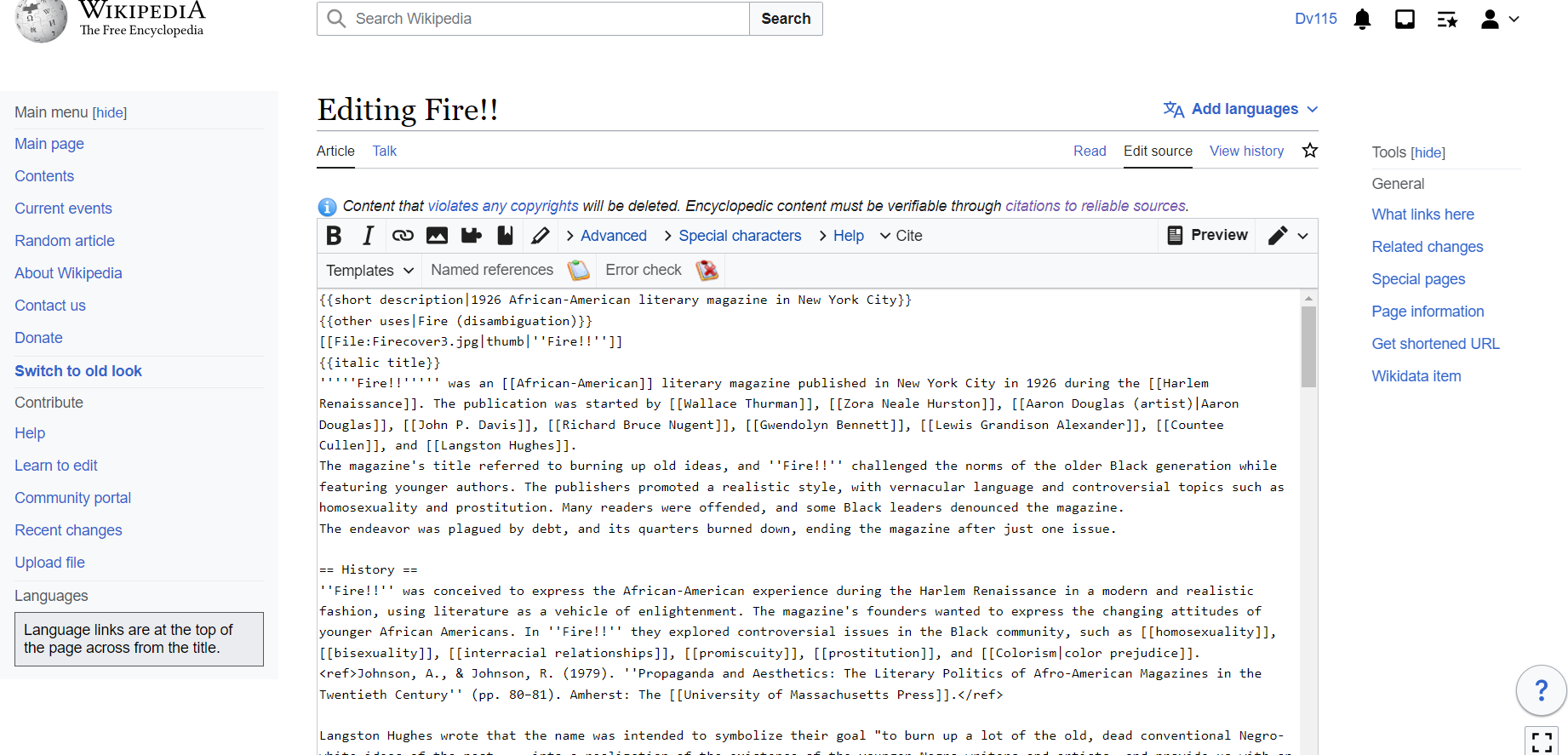
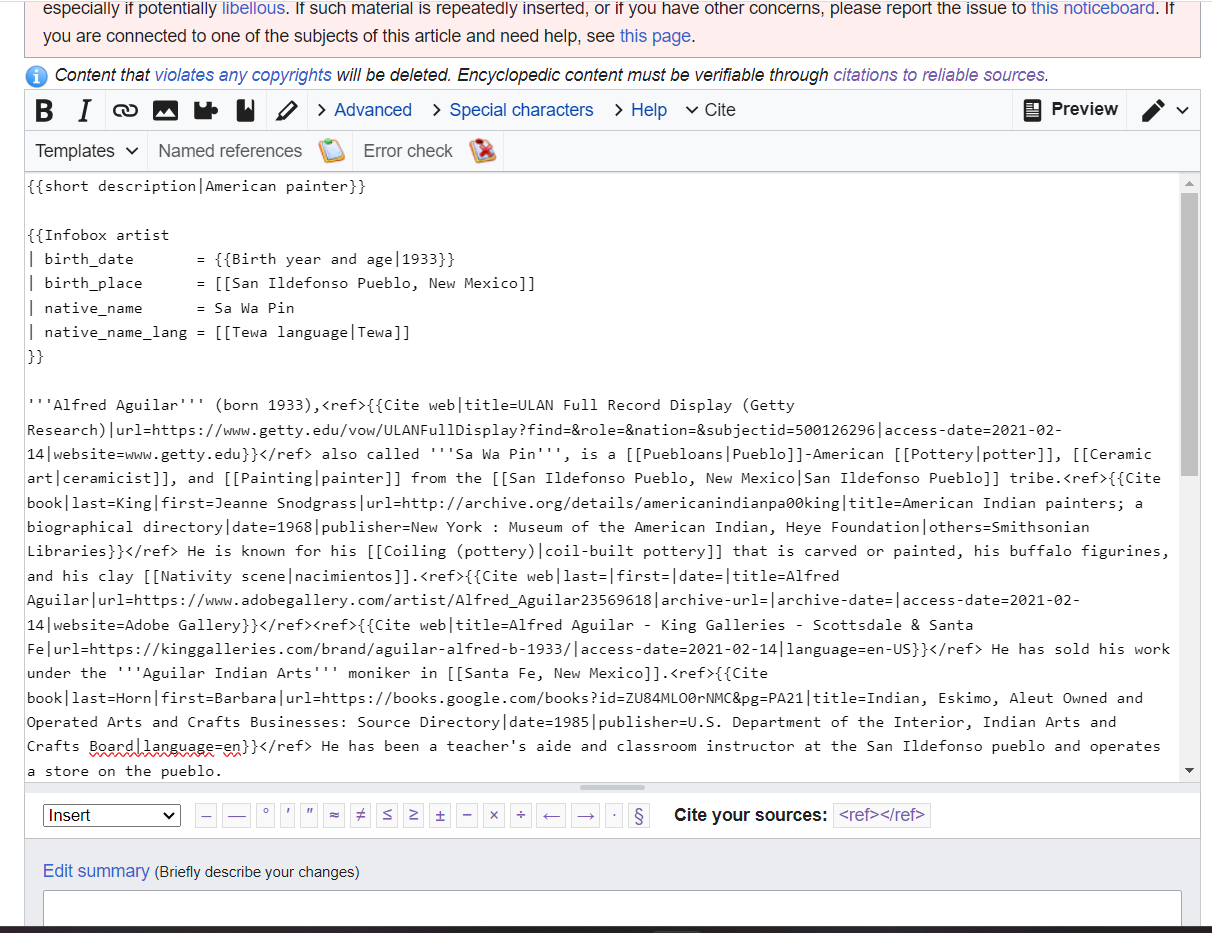
    During the short amount of time I’ve spent as a wikipedia editor, the one thing that I’m really happy with-despite it hindering me-is just how much you need to go through to get changes made to an article. I couldn’t simply go in and make changes, all of the ones I even made to my two articles have already been taken down due to improper sourcing. There was a lot of red tape you had to go through to make sure in a way, you need to make sure that not only is it properly sourced, but also make sure everything is formatted correctly and that it falls within the terms set by wikipedia or else it will get taken down by other editors. While I’m a little disappointed that my changes did get taken down, I’m more so happy that they were reviewed and edited, so that way I know in the future that everything I read on wikipedia is in some way shape or form looked over and edited. Going forward in the future, I think this will make me more inclined to trust a good amount of what I read on the site. I used to think that while I could use it to look for more sources on different topics, I was a little reticent to trust any information that wasn’t basic things like dates, names etc, but now, since I know everything that gets put into the articles are monitored, and isn’t as simple as inputting information and clicking enter, you have to properly format your sources and put real effort into what you’re writing. I don’t believe someone who’s simply trolling or trying for a practical joke would go through so much effort just for that.