“You’re leading next weeks discussion”, yes, the words that instill fear in the hearts of many introverted college students. I’m an enigma, however, as I’m both an introvert, but I love leading discussions. So long as I can link whatever it is I’m leading a discussion on back to things I enjoy talking about, which thankfully with Digital Humanities being such a broad subject, I can do often. However, I still have nightmares about my first time ever being a presentation during my first MA class, where I led an absolutely riveting discussion about early colonial and Native American maize farming, in Dr. Lindman’s class. I to this day still know way more about maize then I’ll ever need to know in my life, but thankfully this reading was far more interesting then one about growing vegetables. I’ve spent the last few days combing over the readings, and much more importantly, I’ve been honing a hidden passion, and that’s MAPS!

This week will be the first time this semester I’m leading a discussion, and possibly could be one of the last. My class plan next semester only includes one or two classes to finish my minors, and an MA class which will most likely be a Digital Humanities Internship. So, this could very well be the last discussion I lead for a while, and luckily enough there was plenty to discuss in terms of the readings content. The twenty page reading went in detail about the struggle of post-colonization digital history, and rectifying some of the ways that through the years imperialism, colonization and neocolonialism has damaged the reputation and online archives of some of these cultures. The biggest example used was right in the US backdoor on our own territory in Puerto Rico. Now, the fact Puerto Rico, the District of Columbia, America Samoa etc, these ‘territories’ are US citizens dictated by US law but don’t have representation in government is ridiculous, but that’s a point for another class.
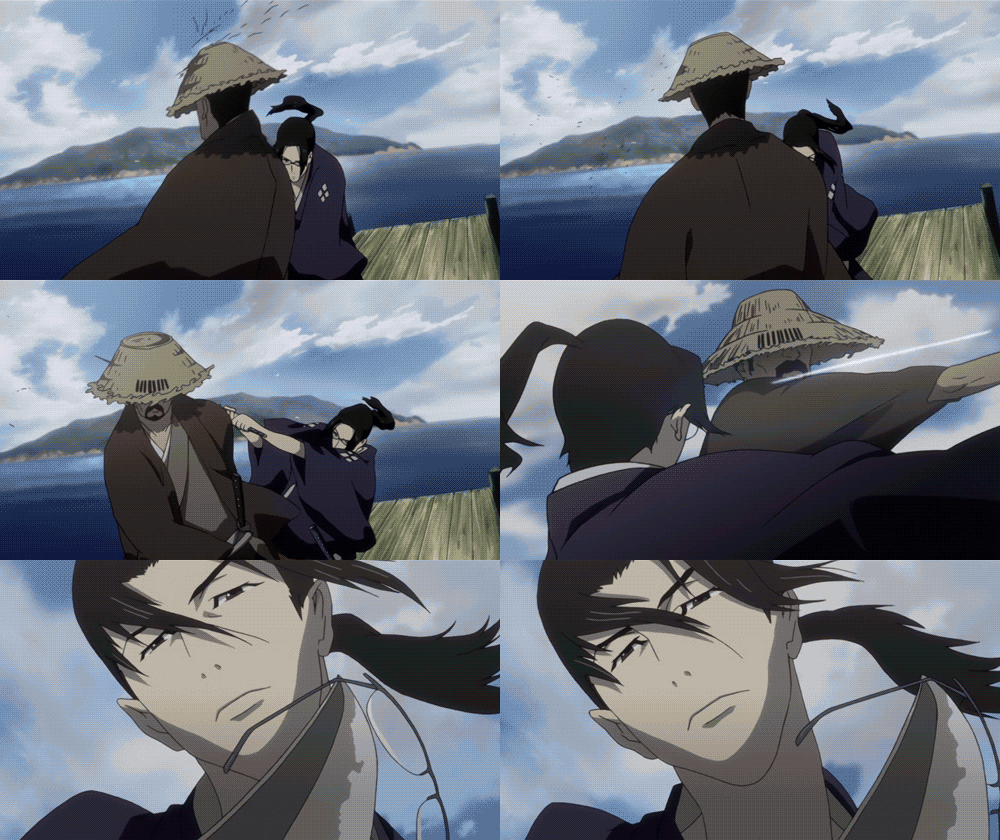
Now, one part of the readings I’m looking forward to discussing was a point made about how the internet has fostered the development of online communities, and thanks to how connected we are in the modern day many more people can learn about different cultural heritages. I used an example from my own experience as I normally do. I count myself in the community of people extremely interested in Japanese culture, and in my time researching I’ve come to realize the double edged sword these kinds of communities can be. On one end, you foster a better understanding and the cultural practices can spread, on the other hand you have people who don’t do proper research and can spread harmful misinformation about certain cultures. This is especially true in my own experience for some people taking the culture of Japan extremely out of context. There is much more to Japan then just Samurai and Ninja! Samurai and Ninja are awesome but there’s so much more to Japan then that, if what I’ve seen for Japan is even worse for countries that perhaps aren’t as far along technologically as Japan, then it truly is our duty in Digital Humanities to help bring these cultural heritages into the spotlight in the correct way.
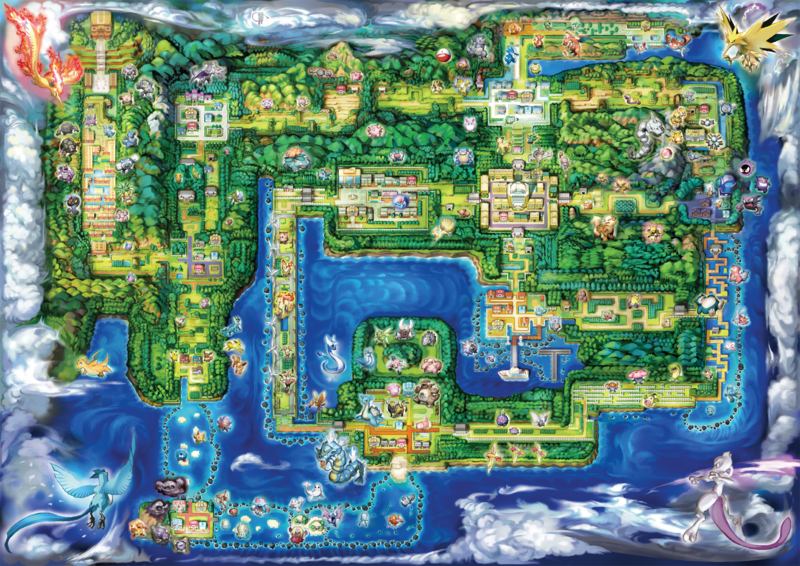
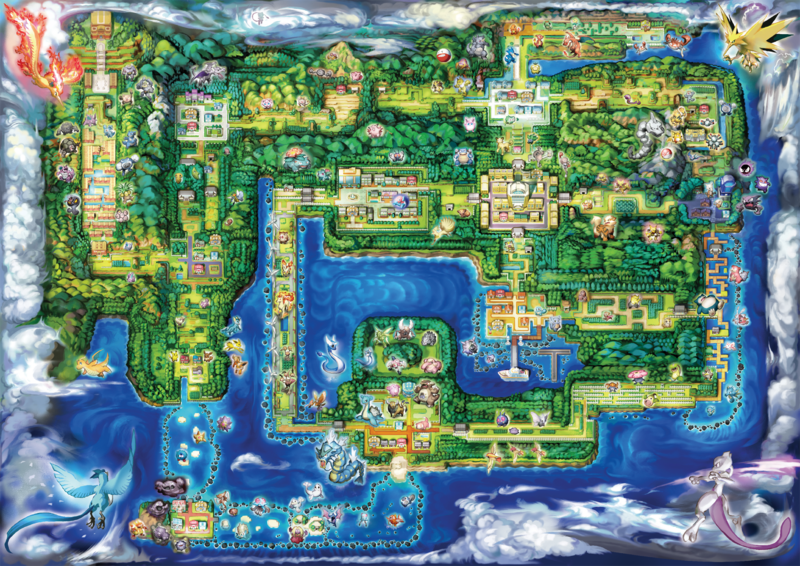
Now, in addition to the reading discussion this week, I also got put in charge of showing everyone how to use Knight Lab Story Maps which I have been very excited for all semester so far. It’s something that I did use last season in Digital History, and despite the assignment being only one day, I spent weeks making a Story Map about the battles of Oda Nobunaga the samurai warlord of the 16th century. Now, maps are something that I’ve been OBSESSED with since I was young, ever since the first time I booted up a Pokemon game and saw the giant sprawling map full of Pokemon to catch, there’s something that still gets me excited to this day about a big sprawling map.
This love of maps, translated to middle school and high school. I was a kid who LOVED fantasy video games, there was nothing better then booting up a new game and seeing a massive world full of dungeons, cool looking weapons, and enemies for me to fight while roleplaying as a fantasy hero. And then, you can imagine how excited I got when I realized many of these fantasy games were based off real life cultural inspirations, like The Elder Scrolls V Skyrim being based off Norse mythology and legends.
And after I started playing games like Assassin’s Creed, based entirely in famous historical time periods with BIG, AWESOME MAPS to explore and run around while meeting historical figures such as Leonardo Da Vinci and Sophocles? That was it, my love of maps and history were solidified. Now, whenever I read a history book, whether it’s Japan, Rome, Greece, Egypt, I always find the best map I can, when a map is already included in a book that’s even better. Now, combining timelines AND maps? I am completely obsessed with creating detailed maps which helps me either lead a Dungeons and Dragons campaign or write an academic paper. Drawing the lines, researching or creating the areas within, it makes me feel like a super awesome master computer master.

Now, I will admit that in my undergrad classes, I was having a bit of a difficult time deciding what exactly it is I wanted to do. Initially I believe I wanted to be a teacher, however, while I don’t believe I’d be miserable or anything close to it teaching, it’s not exactly what I want to spend so many years of my life doing. Now, what I do love doing, is learning and talking to people about history and the things that I love, I could talk all day about Japan, mythology etc, and if there’s a way I can do that it would be fantastic. So, that’s the joy in learning how to make maps, record audio for podcasts, and learn how to properly present information in the right way to help people properly learn history and foster a love of it like what happened for me.
Leave a Reply