Category: Uncategorized

  • blog post 12

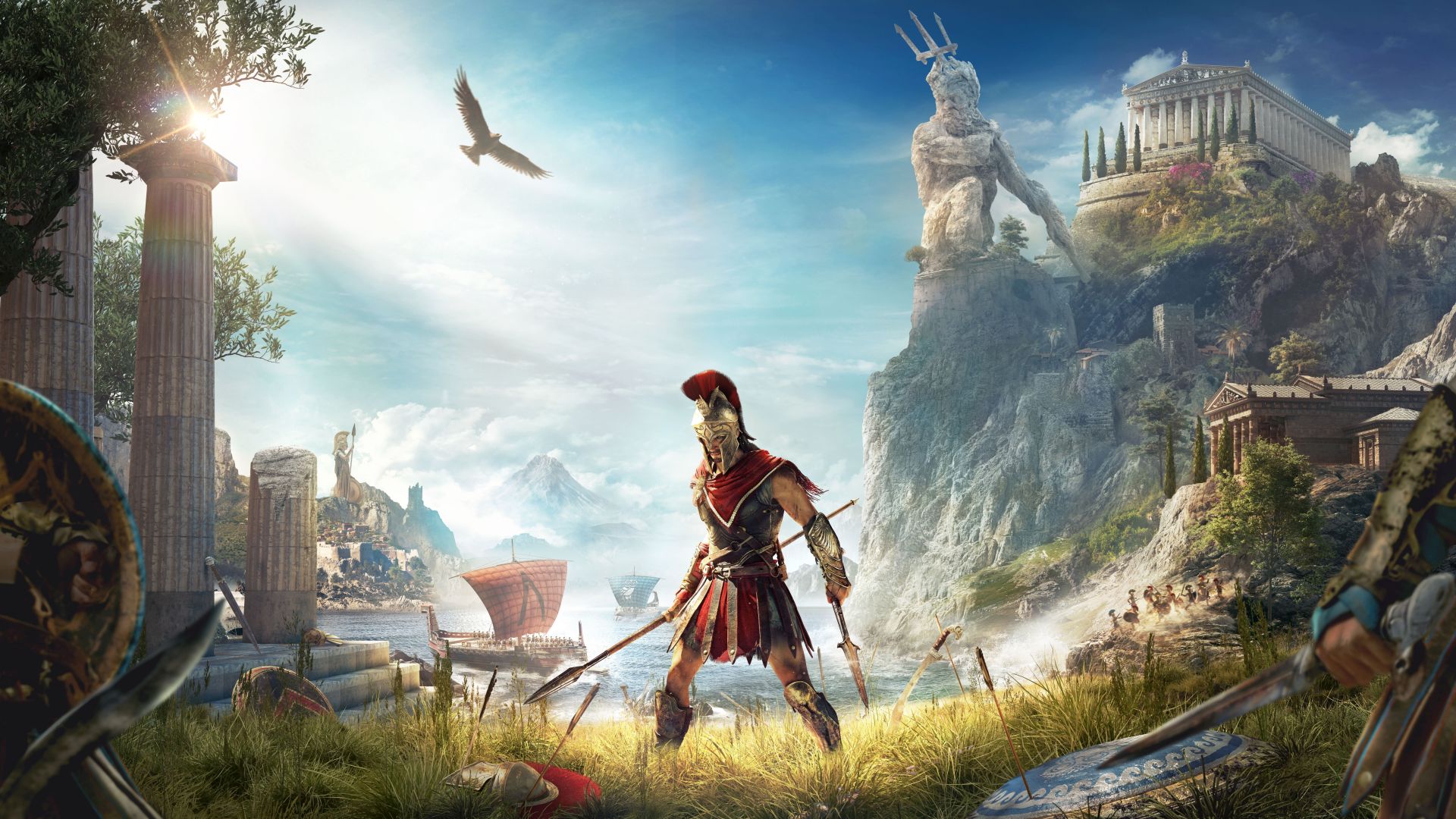
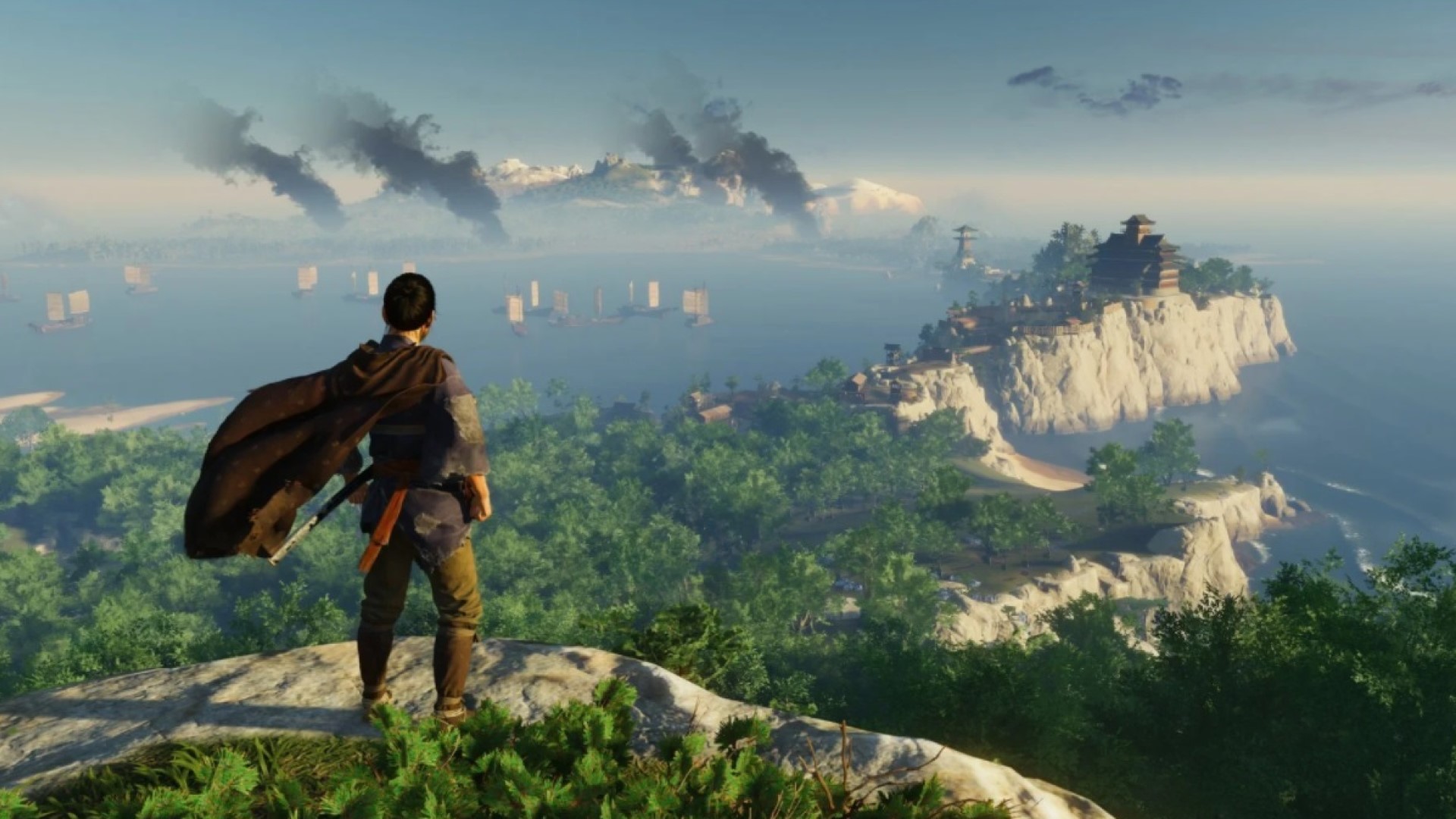
    The last week as we’ve discussed the use of things like video games, 3D models, VR tech to teach history, I’ve thought more about how I grew to love history myself. As a bit rude as it is to say, I didn’t come to love history because of any middle or high school history teacher. No, the reason I became so interested in history was because of historical fiction, books like Percy Jackson played a big part, but playing old WW2 Call of Duty games, Assassin’s Creed, and other fantasy games which had historical influence. Assassin’s Creed games like AC Odyssey which takes place in and recreate Ancient Greece was one in particular that really grew my love for the history of the region. This grew, and up to recently when the game Ghosts of Tsushima, which recreates the Mongol invasion of Tsushima Island Japan, are the reason I’m in the history program now. So, from my own experience I know for a fact that technology like this has a place in peoples education and can really be useful for learning. The biggest thing that games or virtual models do, is bring fun into the picture. The reason I love history is so much, is because I associate those history topics with fun, with joy and it makes me want to learn more about them and think of how much fun I had when I played those games. 3D models and virtual recreations can also be great tools in the classroom itself for helping teachers get students immersed in the subjects they’re learning about. Now, it should never replace full instruction or be used solely as the one learning tool. It needs to be properly implemented with teacher instruction so that they can make sure kids are paying attention and not treating the model or history like some kind of game. Some kids are simply not going to be interested in history, there’s nothing we can do about that, but it’s still important for them to be able to learn the content. High School age students are inherently going to have short attention spans, so that is where the teacher becomes important, in trying to use the different tools like video games, virtual models in a way that is engaging but also educational. Being able to associate history with fun will foster a love of it among younger kids. As was the case with me as a child, I believe the real love of history isn’t developed in the classroom, it’s developed when a kid wants to go and further research a topic on their own, like me with Japan after I played Ghosts of Tsushima, these new technologies can really only be used to hopefully, give kids the information they need to know, and hopefully this helps foster their own desire to learn more. It’s your own research that’s going to be what really focuses a kid on what they want to do in the future, even more so then what they learn in school, is what they decide to research in their own time.
  • Blog POst week 11

    My Story Maps project over the last week, was possibly my favorite project I’ve done so far at Rowan, in any class that I’ve taken. My favorite part of the world to learn about, is East Asia, Japan in particular, it’s my favorite history subject, but unfortunately there’s no classes in that particular subject offered at Rowan in the history department. So, I’ve had to do most of my research myself on the area, all the information I put into my Story Maps project is from the knowledge I’ve loved gathering over the years. From the Yayoi Period, to the Meiji Restoration, I’ve grown this amazing passion for the countries history for years and getting to finally do a project for it was absolutely enthralling, and after a 5 hour editing session I finally finished a four slide presentation on one of my favorite figures from Japanese history, Oda Nobunaga. I could have made the map 10-15 slides if I had more time, the biggest challenge for me was quite honestly narrowing it down to only four slides and locations on the map. I found what I think was the most important parts of Nobunaga’s life, but I think in the future I may really go back and add more slides and map locations. I do wish there was an option to add more images instead of just one to each slide, but the map moving to the location where each event takes place is a good substitute. The map, especially in this case of such a small country like Japan is instrumental in telling the story of Nobunaga, since most people will see Japan as small from a map, being able to zoom on the area of Japan each event takes place in, it helps people see the scale and true distance some of these battles took place in. Especially with a figure like Nobunaga, who’s known as one of the ‘Three Great Unifiers’, it’s important to see how his conquests gradually took up more and more land until his death. This project for me had very few issues, the biggest and only one was truly narrowing down to only a few slides, picking out the biggest moments of Nobunaga’s life, if I had started it two or three days earlier, I probably could have extended the presentation and Story Map to near 20 slides. For now, this also helped since my four slide presentation can be a sort of opening piece for my project for Museum Studies, which is going to be a mock museum exhibit about Nobunaga again. Japanese history has consumed and been a huge part of my life the last two years, I have two tattoos related to my favorite samurai clans and Japanese history topics. I very, very rarely get to use my knowledge of this nations history for class assignments so this was extremely fun and feel like it’s one of the best projects I’ve done, and really hope that everyone who may come across my Story Map learns something about a topic I have a lot of passion about.

  • Blog post 10

    History podcasts always, even before this class, is my favorite way to learn history. The thing that I always loved most about it, is just how convenient it is. I could listen to a whole lecture about topics I love while I’m at work, walking to class, going on a long drive. I also love that it really gives me more freedom to learn about whatever it is I want, when I sign up for classes at school I’m limited by what classes the school is offering. For example, I look for lessons and lectures about Japan, Rowan doesn’t have any classes about feudal Japan, but with history podcasts I can listen to lectures and lessons from qualified instructors just as I walk to class. It is a bit different from being in person and learning, or reading from a book however, it’s easy to get tuned out to the noise as you listen. However, that’s where the performance from the podcast really comes into play. The podcasts for me that are the best, are the ones that can keep you engaged. The person who’s speaking has to be engaging, infectious and great at public speaking. If the person treats the podcast as a sort of performance, and puts good infection and excitement into his voice, if they sound like they aren’t reading off a script they keep you engaged and listening. This way, you can do all your normal activities and not start half listening after a good amount of the podcast segment.

  • Blog Post week 9

    In the last two weeks as I’ve prepared and conducted my Oral Interview it ended up being quite the nostalgic experience. Before I came to Rowan, I went to Rowan College of South Jersey-Gloucester. In my time there, I ended up becoming the lead reporter and media personality for the athletics department. During that time in every sport from soccer, to volleyball, to basketball, baseball and softball, I commentated matches, conducted interviews before and after games, and even appeared on TV on a few occasions, one being a small TV segment about the athletics at the college called Roadrunner Recap. So, going into the interview with Dr. Lindman who is a very well respected Professor here at Rowan I didn’t feel any nerves at all stemming from all the experience I’ve had doing interviews like this before. It was really fun to sit down and conduct an interview like this about the subject I’m studying as opposed to sports. However, that did pose a bit of a challenge since an academic interview is a lot different then a post-game interview. The energy is different to start, post-game interviews are supposed to be fast paced and full of energy and excitement, for an interview like this it is a lot more slowly paced and academic. I think I may have had a bit of a hard time bringing that right energy with my words as an interviewer, but it was still a very fun challenge.

    https://drive.google.com/file/d/132ZEhWDToKhHB77x0sQIKTeR8wu8QF5L/view?usp=drive_link

    Interviewer: Dominic Virelli

    Interviewee: Dr. Janet Lindman

    Creator: Dominic Virelli

    Description: A conversation with Dr. Janet Lindman a Professor of early American History at Rowan University about the current state of education about early American history in the United States.

    Date: 10/25/23

    Type of Resource: Sound Recording

    Extent: 16:33

    Language: English

  • Blog Post Week 8

    The progress for our upcoming project by my group ‘Caffee Shop’, is going extremely well. Emily had everything very organized and our shared google drive folder is progressing well with information that’s going to be really useful going forward. The two delegates we have Katherine DiBenedetto and Valerie Caffee have a good amount of information already available just through the databases provided in canvas. Katherine had an entire letter she wrote detailing her life to the state selection committee which Emily transcribed, so I feel most of her information is already gathered, with just a few more notes and information about Valerie I feel we can get a final write up done soon. I feel the best way to go about researching further is just going to be continuing what we’ve already been doing since we’re about three quarters of the way there. The only challenge I foresee is picking out what to include in the final 500 word write up, having so much information is a good problem to have however, which should balance it out.

  • Blog post week 7

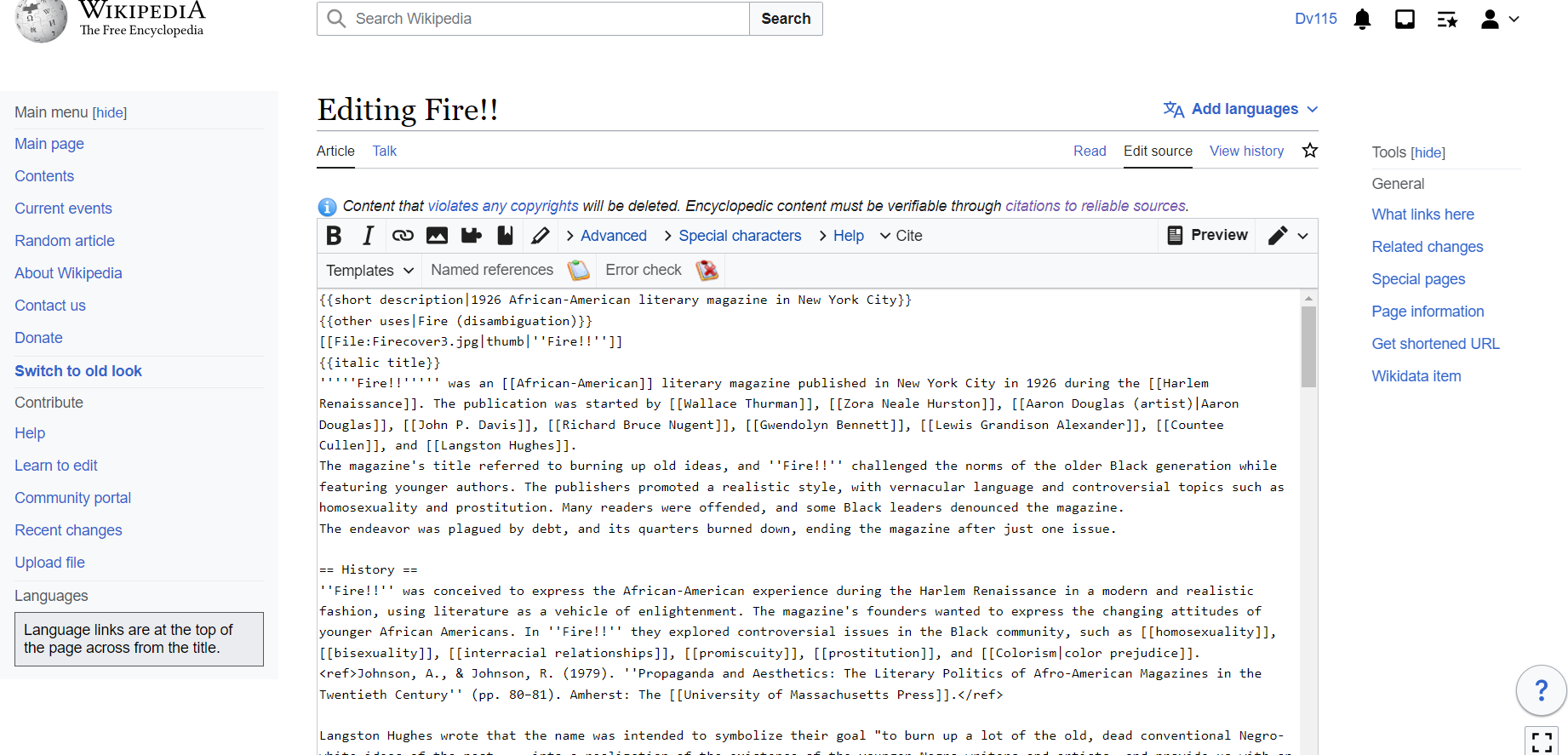
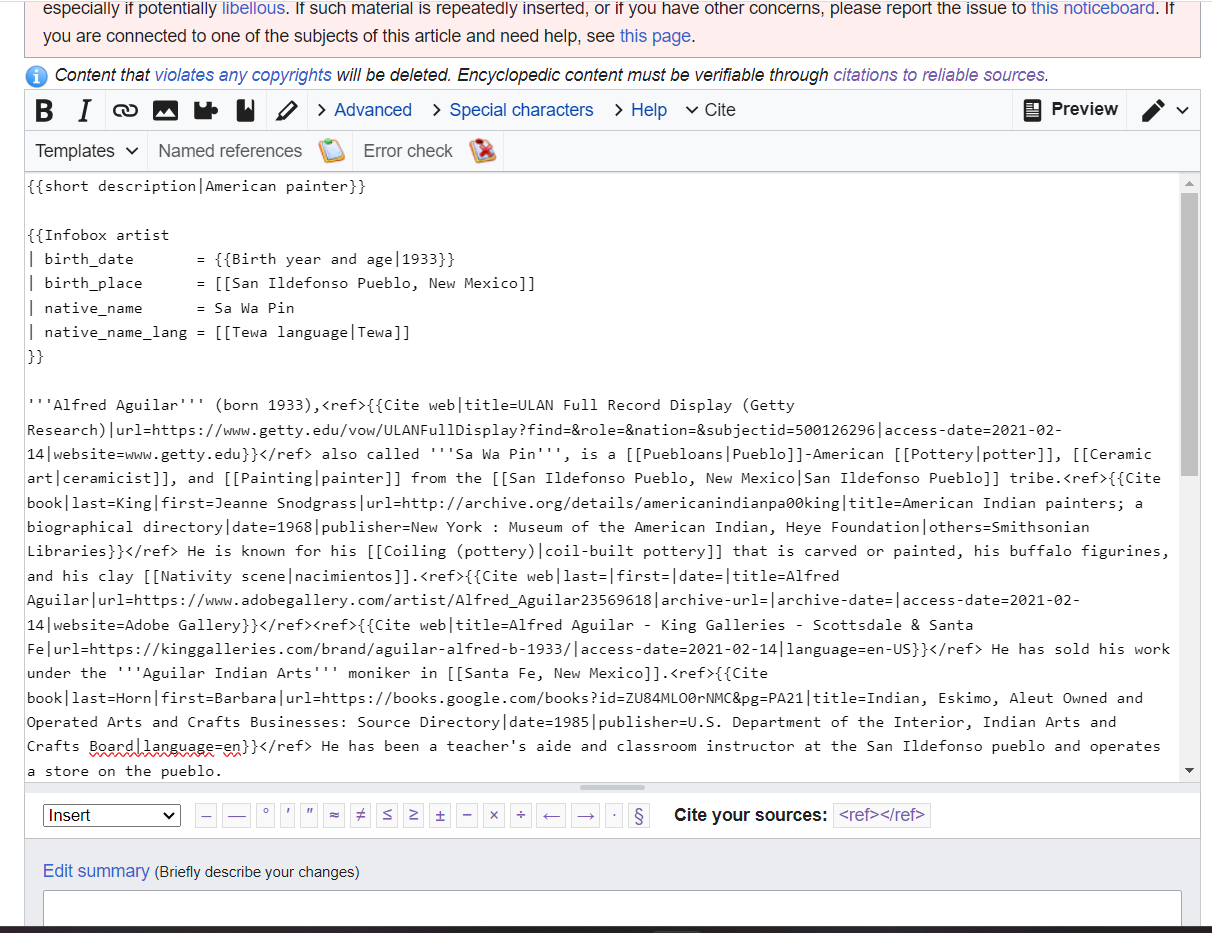
    During the short amount of time I’ve spent as a wikipedia editor, the one thing that I’m really happy with-despite it hindering me-is just how much you need to go through to get changes made to an article. I couldn’t simply go in and make changes, all of the ones I even made to my two articles have already been taken down due to improper sourcing. There was a lot of red tape you had to go through to make sure in a way, you need to make sure that not only is it properly sourced, but also make sure everything is formatted correctly and that it falls within the terms set by wikipedia or else it will get taken down by other editors. While I’m a little disappointed that my changes did get taken down, I’m more so happy that they were reviewed and edited, so that way I know in the future that everything I read on wikipedia is in some way shape or form looked over and edited. Going forward in the future, I think this will make me more inclined to trust a good amount of what I read on the site. I used to think that while I could use it to look for more sources on different topics, I was a little reticent to trust any information that wasn’t basic things like dates, names etc, but now, since I know everything that gets put into the articles are monitored, and isn’t as simple as inputting information and clicking enter, you have to properly format your sources and put real effort into what you’re writing. I don’t believe someone who’s simply trolling or trying for a practical joke would go through so much effort just for that.

  • Blog POst week 6

    I used to believe Wikipedia was simply a good place to go and find sources for more topics that I’m interested in, but now I’m more inclined to believe that it really can be somewhat reliable for information depending on the article that you’re reading. Articles with more traffic are going to be more closely monitored and better policed to make sure no misinformation is spread. In the last reading I noted in my annotations and in class that over the years Wikipedia has developed a peer review program where other users all determine the validity of an article which is very encouraging to see. I’m really glad that in this day and age Wikipedia is seen as more reliable then it was during my younger years in school. During my time in middles school and even in high school we were discouraged from even looking on Wikipedia. It wasn’t until I got into junior college, that I had a professor encourage me to go on Wikipedia, he said that it’s a great way to find good primary and secondary sources for topics I’m interested in. Since then I’ve used wikipedia religiously in order to find more information about topics that I’ve wanted to research, it really has come in very handy. I don’t agree with calling it a ‘utopia’ since it’s far from perfect, even with measures in place since it’s humans maintaining it, there’s going to be some inherent bias in what’s written. However, just like most things in the world, you have to look at the good and bad, pros and cons and judge for yourself. If no for Wikipedia offering free information and gateways to fostering a love of history, I wouldn’t be where I am, so I’m always going to have a very healthy appreciation for the mission they are trying to undertake.

  • Blog Post week 5

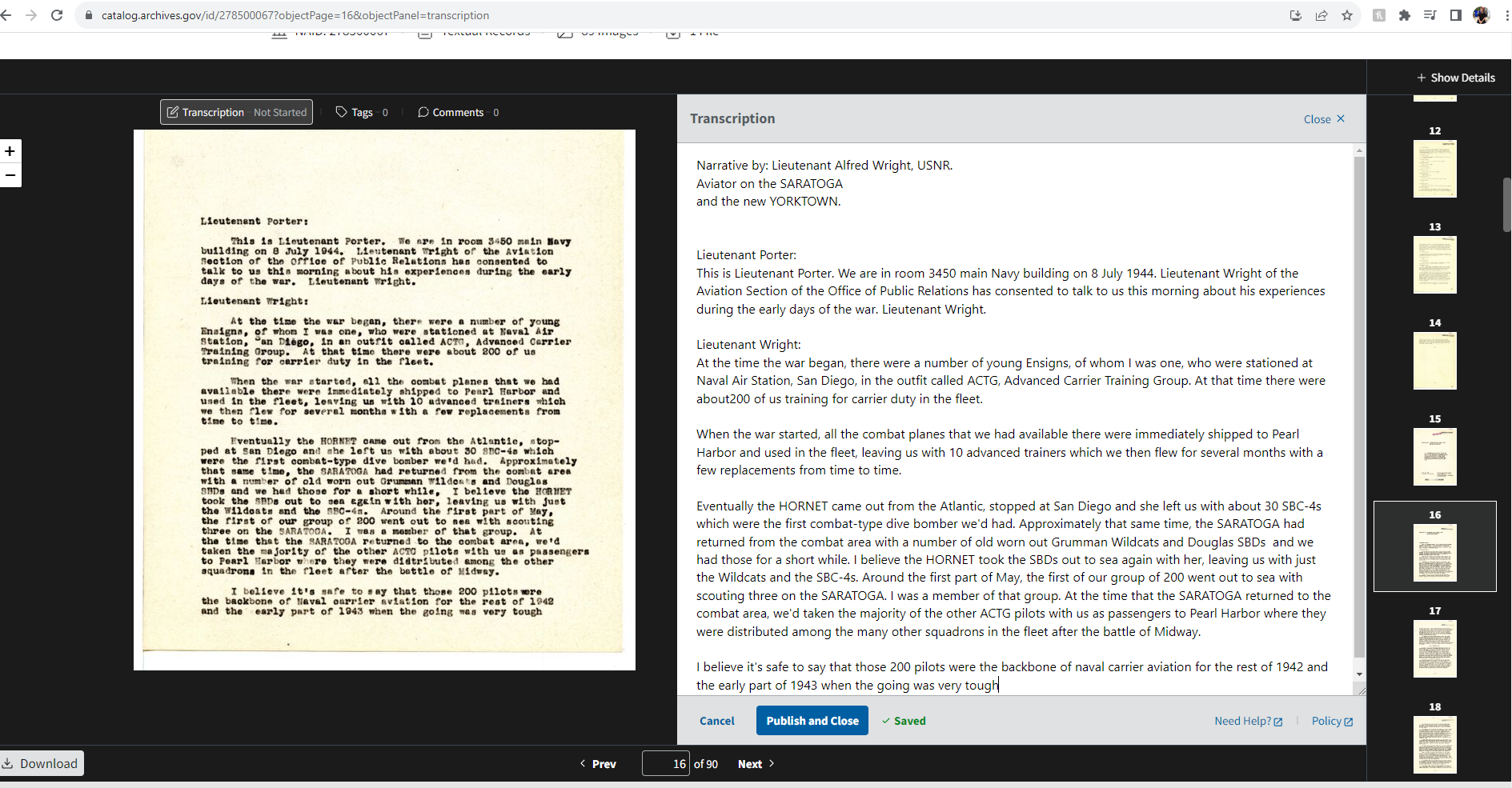
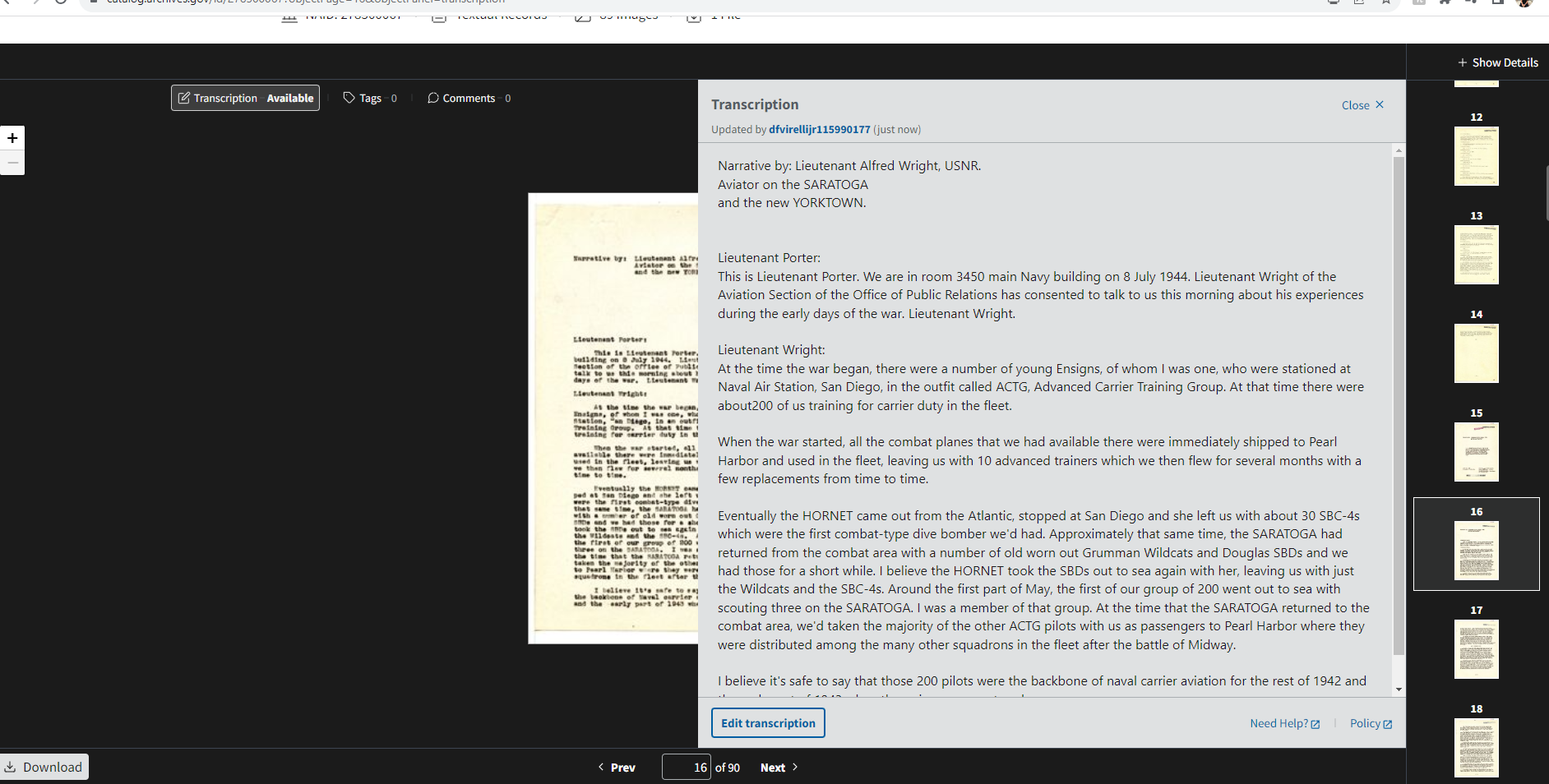
    This week I transcribed a report between two navy officers from World War 2 shortly after the battle of Midway. Doing it on my own was relatively easy and I was really surprised to see just how easy someone would be able to do it. It was easy since the report was a telegram instead of an older hand written letter which more then likely would have been in difficult to read handwriting. The site to my surprise as well was very user friendly if a bit slow when I was typing in the transcription box. It also gives an update on how recently the documents were transcribed and the username of the person who did it, so while I didn’t test it myself, I’m wondering if it’s possible at all to go and collaborate with other users like a sort of social media platform. The document I chose to transcribe was talking about the transfer of boats and other weapons back to the combat zone between two lieutenant, and as someone who grew up with the history of World War 2, I think it would be interesting to read more to see the logistics of what was happening in the pacific after Midway.

    If I were to organize a crowdsourced digital history project like this I more then likely would have it be on the same kind of topic I transcribed today, but the main challenge I feel as is usually the case with large events is the logistics of the entire operation. Making sure everyone has access to the correct software and stable WIFI, and handing out documents which could genuinely interest people to make sure they’re having a better time actually transcribing, if it’s a topic someone will be more interested in then they’ll be more likely to finish quickly and efficiently.

  • Blog post week 3

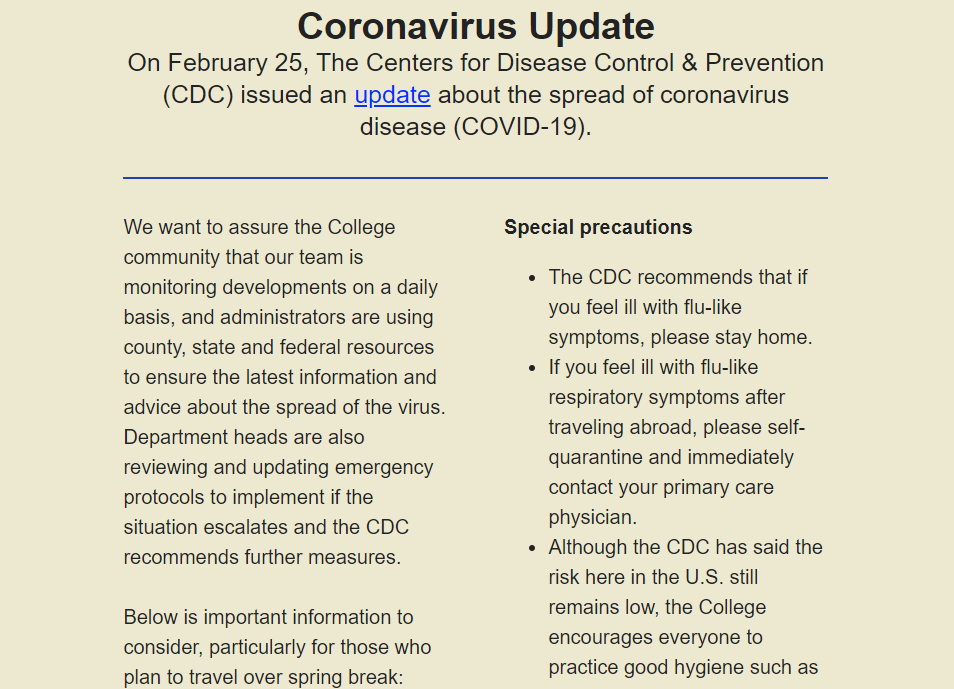
    I was really surprised to see how easy it was to submit pieces to the Digital Covid-19 collection for Rowan. It was as simple as posting a link into a box and it was already posted. I assumed originally that it was going to involve a lot more steps, like a waiting period while administrators on the sight review the submission before it went up. However, it was fun to look through all of the submissions to see and compare other people experiences during the pandemic to mine. For someone like me, I wasn’t too affected by the pandemic seeing as I continued working like it was normal since I was an essential worker. I did drop out of school for the year when classes went all digital, but I was mostly unaffected. The piece that i submitted was the first Covid-19 update that was sent out by the RCSJ-Gloucester president concerning the virus. It was a bit ironic seeing the first update saying how the virus didn’t seem like it was going to be a very big deal. Obviously it ended being a very big deal.

  • Hello World!

    Welcome to WordPress! This is your first post. Edit or delete it to take the first step in your blogging journey.